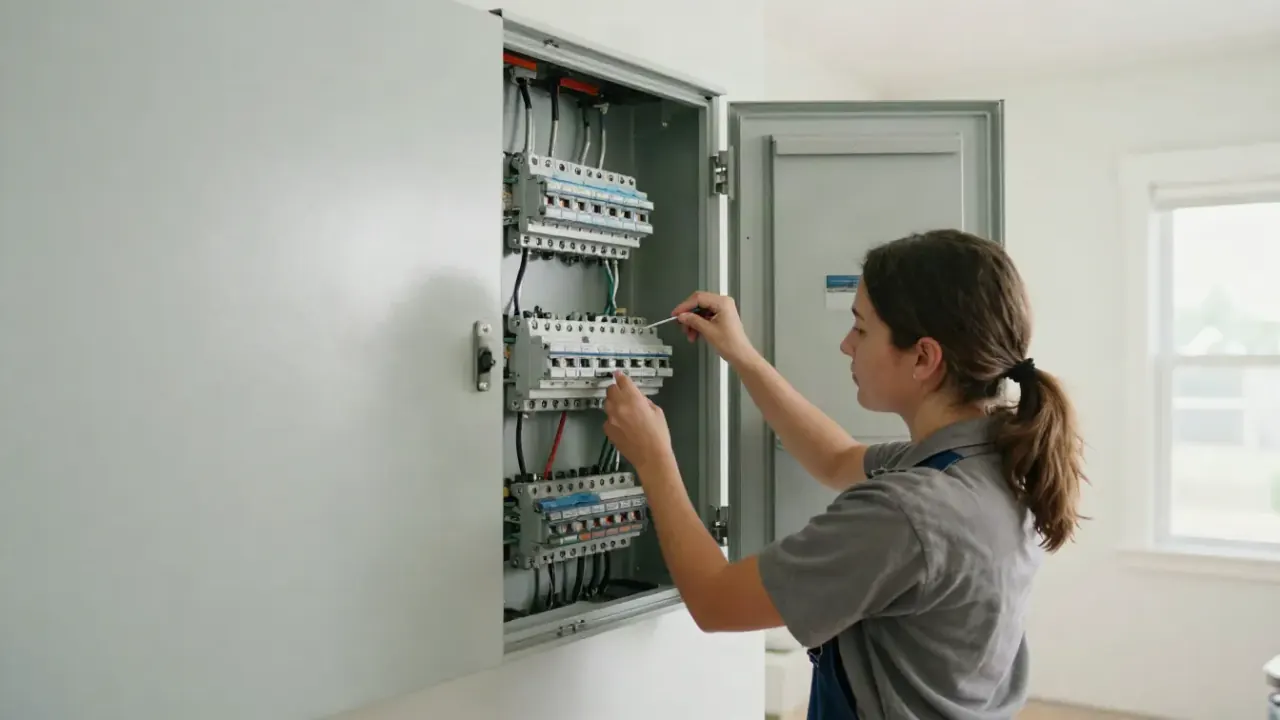
Electrical Load Calculation Basics for Homeowners
A plain-English guide to electrical load calculation basics for Woodstock homeowners. Learn how to size your panel, avoid overloads, and when to call a pro.
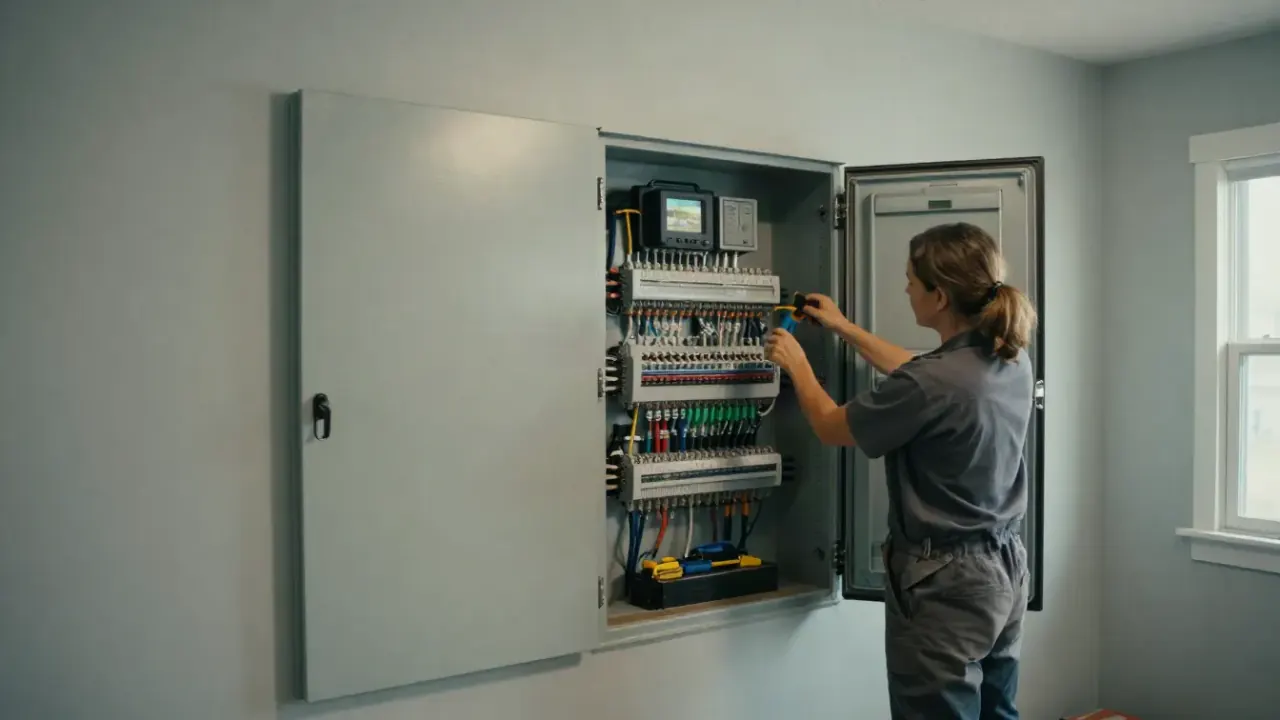
An electrical load calculation is a math-based way to add up every appliance, light, and device in your home to see if your electrical panel can safely handle the total demand. In Woodstock, Georgia, most homes built before 1990 have a 100-amp panel that struggles with modern loads like EV chargers, heat pumps, and tankless water heaters. This article walks you through the basics so you can spot the warning signs and know when to call a licensed electrician.
We'll cover what a load calculation is, why it matters in Woodstock's older neighborhoods, how to do a rough version yourself, and the mistakes that lead to tripped breakers or worse. By the end, you'll know whether your panel is living on borrowed time.
What Is an Electrical Load Calculation?
An electrical load calculation is a standardized method that adds up the wattage of all your home's electrical demands to determine the minimum amperage your service panel must supply. Electricians use the National Electrical Code (NEC) Article 220 to perform this calculation, which accounts for continuous loads (like lights) and intermittent loads (like a well pump) differently. The result tells you if your current panel-often 100 or 200 amps-is adequate or if you need an upgrade.
Think of your panel like a highway. Each appliance is a car. A 100-amp panel is a two-lane road; a 200-amp panel is a four-lane highway. If you add too many cars, traffic slows to a crawl-or stops entirely. A load calculation tells you how many lanes you actually need.
The calculation isn't just about total wattage. It also considers demand factors-the reality that you rarely run every appliance at full power simultaneously. For example, your oven and your dryer might both be on, but your air conditioner and space heater probably aren't running at the same time. The NEC provides tables and formulas to account for this diversity.
If you're considering an electrical service upgrade Woodstock GA, a load calculation is the first step. It tells you whether a 200-amp service is enough or if you need to go larger.
Why Load Calculation Matters in Woodstock, Georgia
Woodstock's housing stock is a mix of 1970s ranches, 1990s subdivisions, and new construction. Older homes were wired for a fraction of the electrical demand we place on them today. A 1975 home in Downtown Woodstock electrical panel upgrade might have a 60-amp fuse box that was fine for a refrigerator, a few lights, and a window air conditioner. Today, that same home might have a 3-ton central AC, an electric range, a microwave, a dishwasher, a tankless water heater, and two EVs.
When you overload a panel, you get tripped breakers, flickering lights, and heat buildup at the bus bar. Heat is the enemy. It degrades insulation, loosens connections, and eventually causes arcing-a leading cause of house fires. The National Fire Protection Association reports that electrical failures or malfunctions cause roughly 45,000 home fires each year in the U.S.
In Woodstock, we also see a lot of DIY additions: a hot tub wired to a spare breaker, a garage workshop with a welder, or a finished basement with a kitchenette. Each addition adds load. Without a proper calculation, you're guessing. And guessing with electricity is expensive and dangerous.
If your home is in a neighborhood like Towne Lake electrical panel upgrade, where many homes were built in the 1990s with 200-amp panels, you might still be fine. But if you've added an EV charger or a pool, even a 200-amp panel can be pushed to its limit.
How to Do a Basic Load Calculation Yourself
You can get a rough idea of your home's electrical load with a simple wattage tally. This won't replace a licensed electrician's calculation, but it will help you understand the scale of your demand. Grab a notepad and list every major appliance, then find its wattage on the nameplate or in the manual.
Here's a simplified method:
- General lighting and receptacles: Multiply your home's square footage by 3 watts per square foot. For a 2,000 sq ft home, that's 6,000 watts.
- Small appliance circuits: Add 1,500 watts for each kitchen small-appliance circuit (usually two) and 1,500 watts for the laundry circuit. That's 4,500 watts.
- Major appliances: Add the nameplate wattage for your range, dryer, water heater, dishwasher, microwave, and any other fixed appliances. A typical electric range is 8,000-12,000 watts; an electric dryer is 5,000-6,000 watts; a tankless water heater can be 18,000-36,000 watts.
- HVAC: Add your air conditioner's running watts (often 3,500-5,000 for a 3-ton unit) or your heat pump's emergency heat strip (10,000-15,000 watts).
- EV charger: A Level 2 charger draws 7,200-11,520 watts (30-48 amps at 240V).
Add it all up, then apply demand factors. The NEC allows you to take the first 10,000 watts at 100%, and the remainder at 40% for ranges, dryers, and similar loads. But for a quick sanity check, just compare your total to your panel's capacity.
A 100-amp panel at 240 volts provides 24,000 watts. A 200-amp panel provides 48,000 watts. If your total exceeds 80% of that (19,200 watts for 100-amp, 38,400 for 200-amp), you're in the danger zone.
For a more precise result, you need a professional electrical load calculation Woodstock that follows NEC Article 220 exactly. We use software and on-site measurements to get it right.
When Do You Need a Load Calculation in Woodstock?
You need a load calculation in Woodstock whenever you add a major electrical load, upgrade your service, or notice signs of an overloaded panel. The City of Woodstock requires a permit for panel replacements and new circuits, and the permit application typically requires a load calculation to prove the new work won't exceed your service capacity.
Here are the most common triggers:
- Adding an EV charger: Even a 40-amp charger can push a 100-amp panel over the edge. Many homeowners need a EV charger installation Woodstock GA paired with a service upgrade.
- Installing a hot tub or pool: These are continuous loads that run for hours. A 50-amp hot tub adds 12,000 watts.
- Converting from gas to electric: Swapping a gas water heater for a tankless electric unit can add 30,000 watts or more.
- Finishing a basement: Adding a kitchenette, bathroom, and living space means new circuits and more demand.
- Replacing a fuse box: If you have a fuse box, you almost certainly need a fuse box to breaker panel conversion Woodstock GA and a load calculation to size the new panel.
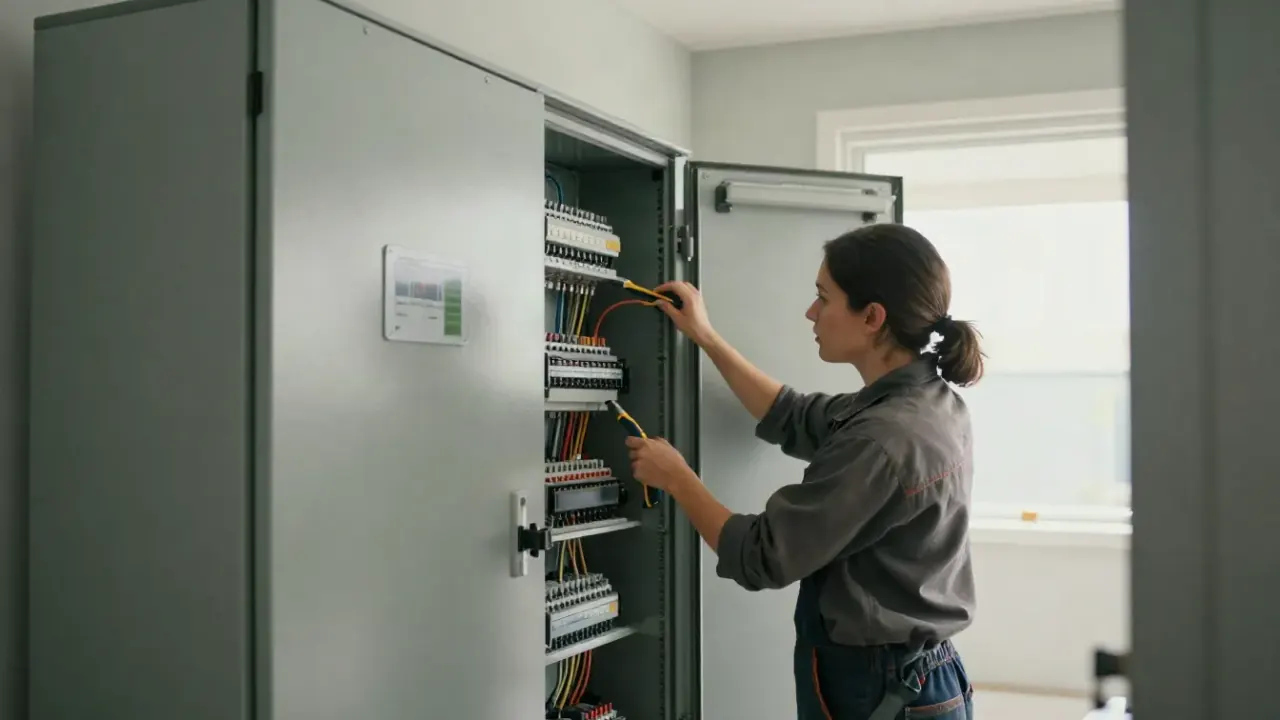
- Adding a subpanel: A subpanel installation Woodstock GA for a garage or workshop requires knowing the available capacity on the main panel.
If you're planning a Woodstock electrical panel upgrade, the load calculation is step one. It determines whether you need a 200-amp service or can get by with a 150-amp upgrade.
Common Mistakes Homeowners Make
The biggest mistake is assuming that because your breakers aren't tripping, your panel is fine. Breakers can fail to trip, especially older ones. We've seen 40-year-old breakers that were welded shut from heat damage.
Other frequent errors:
- Adding a breaker without checking capacity: Just because there's an empty slot doesn't mean the panel can handle the load. The bus bar and main breaker have limits.
- Using the wrong wire size: A 50-amp breaker needs 6-gauge wire. Using 8-gauge wire on a 50-amp circuit is a fire waiting to happen.
- Ignoring continuous loads: An EV charger that runs for 4 hours is a continuous load and must be sized at 125% of its rating.
- Forgetting about the service mast: If you upgrade to 200 amps, the service mast and meter main replacement Woodstock GA may also need upgrading to handle the larger wire and meter.
- Not pulling a permit: In Woodstock, a panel upgrade without a permit can void your insurance and cause problems when you sell.
We also see homeowners who try to solve tripping breakers by installing a larger breaker. That's like putting a bigger fuse in a circuit that's already overheating. The wire becomes the fuse-and it burns inside your walls.
When to Call a Professional
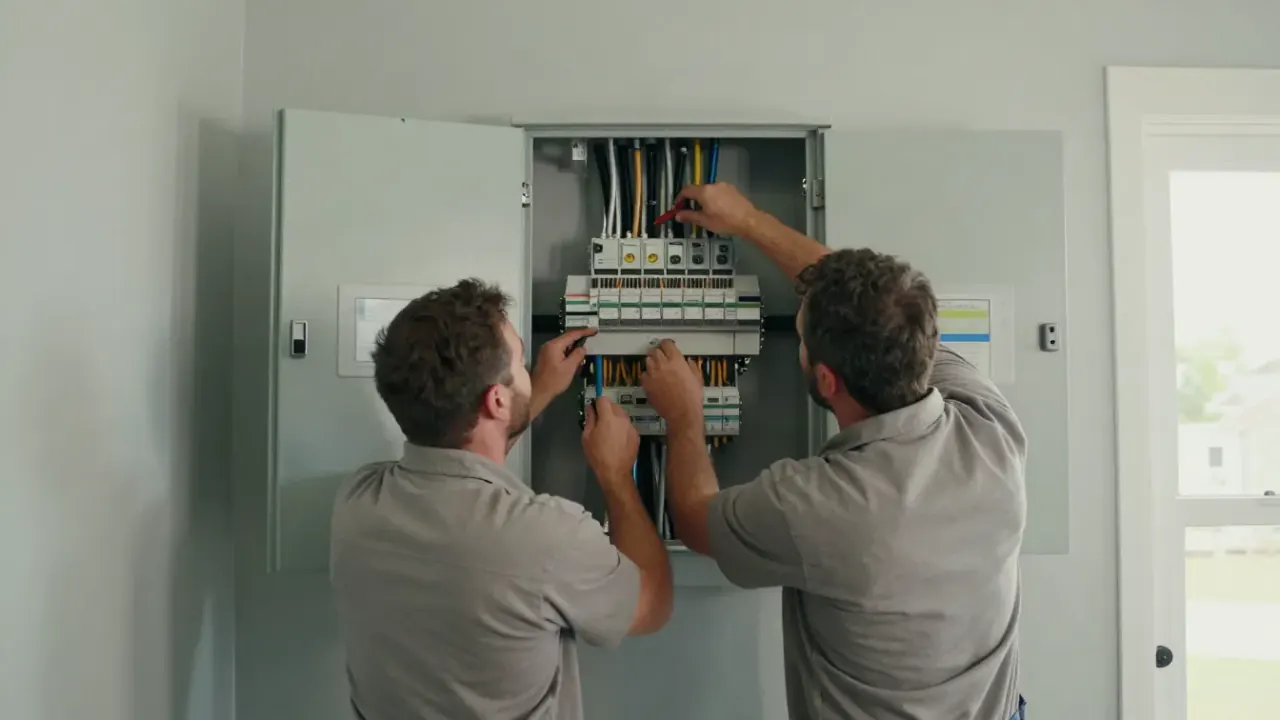
Call a licensed electrician when your load calculation shows you're over 80% of capacity, when you're adding any 240-volt appliance, or when you see signs of overheating like discolored breakers, a burning smell, or flickering lights. We handle load calculations every day for homeowners across Woodstock and Cherokee County.
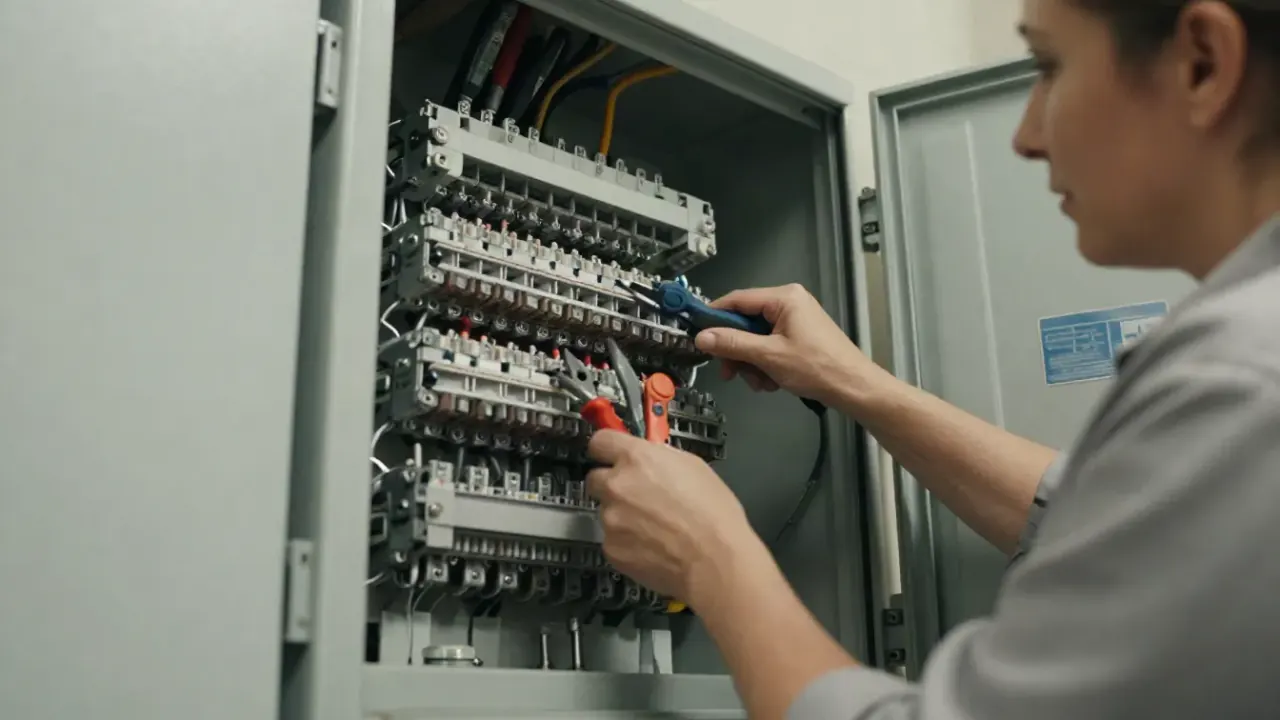
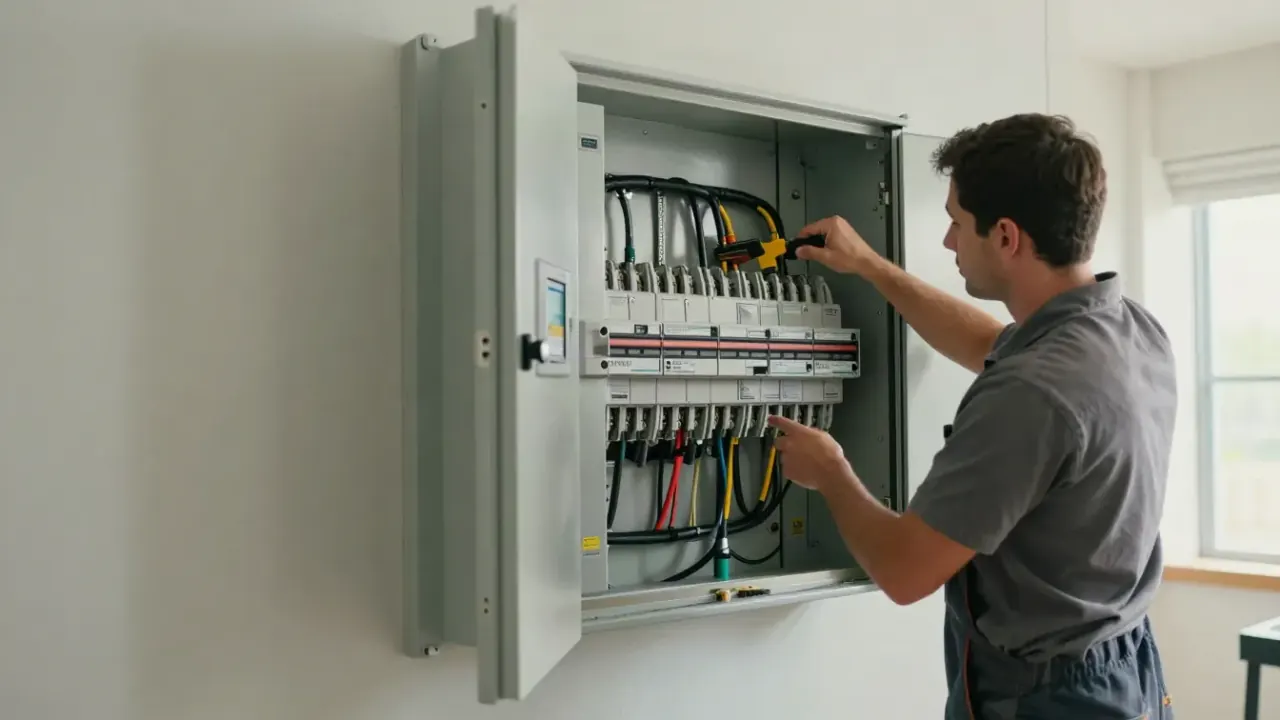
Our team at Woodstock Electrical Panel Upgrade can perform a full panel inspection Woodstock GA and give you a clear answer: keep your current panel, upgrade to 200 amps, or go larger. We'll also check for code issues like missing AFCI protection or an undersized grounding electrode conductor.
If you're in a neighborhood like Eagle Watch electrical panel upgrade, where homes are larger and often have pools and EVs, we can design a custom solution that fits your lifestyle. Don't wait for a breaker to fail. A load calculation is cheap insurance.
Frequently Asked Questions
What is an electrical load calculation in Woodstock GA?
It's a NEC-based tally of all electrical loads in your home to determine the minimum panel size needed. In Woodstock, we use it to decide if your 100-amp panel can handle a new EV charger or if you need a 200-amp upgrade.
How do I calculate my home's electrical load in Woodstock Georgia?
Add up the wattage of all lights, appliances, and HVAC equipment, then apply demand factors. For a 2,000 sq ft home, a rough estimate is 6,000 watts for lighting, 4,500 for kitchen/laundry, plus major appliances. A pro uses precise measurements.
Who can perform a load calculation in Woodstock GA?
A licensed electrician or electrical engineer can perform a code-compliant load calculation. In Woodstock, the city requires a licensed contractor to pull the permit for a panel upgrade, and they'll submit the calculation with the permit application.
Does a load calculation require a permit in Woodstock?
Yes, if it's part of a panel upgrade or new service, the City of Woodstock requires a permit. The load calculation is typically included in the permit application. A standalone calculation for planning purposes doesn't require a permit, but any work based on it does.
How often should I get a load calculation?
Get one whenever you add a major appliance, finish a basement, install an EV charger, or notice tripped breakers. For older homes, we recommend a calculation every 10 years or before any major renovation.
Get Help with Electrical Panel Upgrade in Woodstock
If your load calculation shows you're maxed out, we can help. Woodstock Electrical Panel Upgrade specializes in 100 to 200 amp service upgrades, subpanels, and whole-home surge protection. We'll handle the permit, the calculation, and the installation.
Call us today at (470) 742-0135 to schedule your load calculation and panel inspection. We serve Woodstock, Towne Lake, Eagle Watch, and all of Cherokee County.